
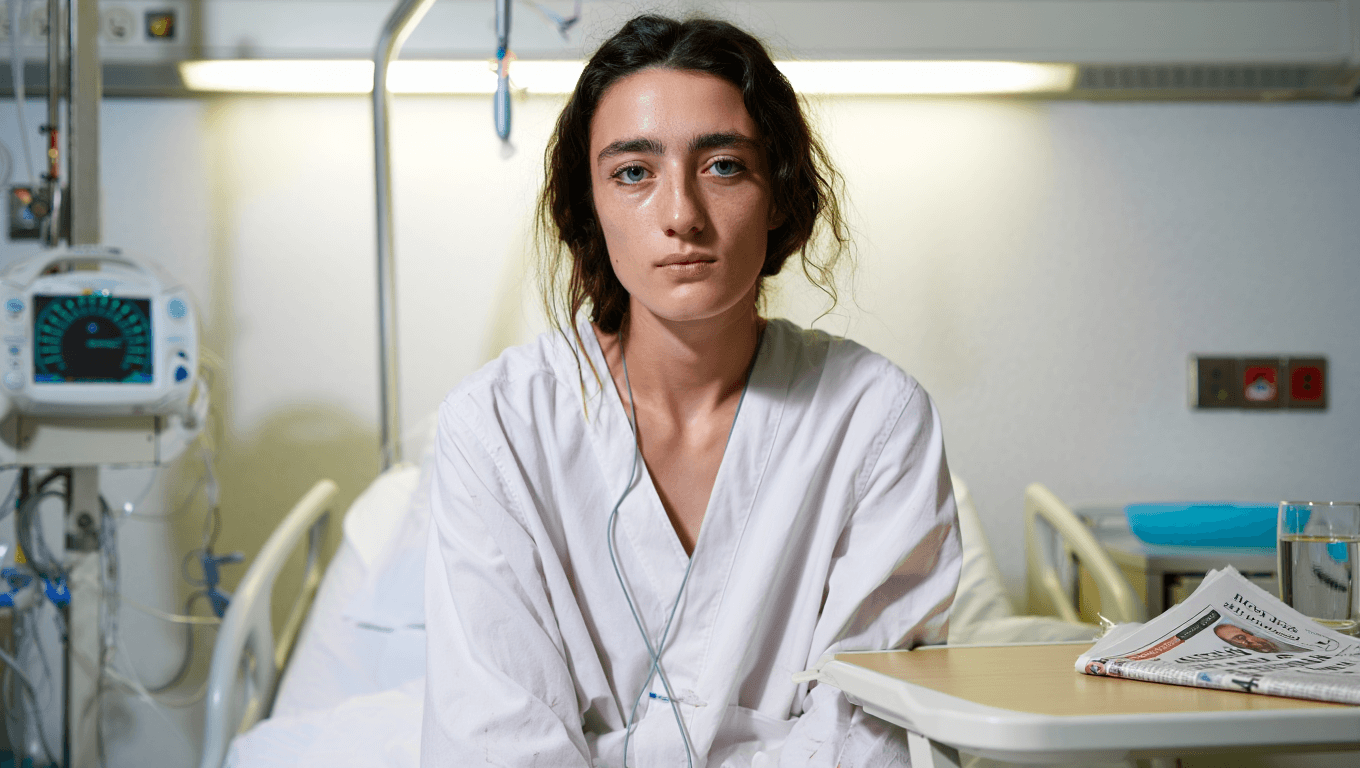
A South Lanarkshire mother says the strain of giving evidence against her former partner left her with a life-threatening heart condition often called “broken heart syndrome.” The episode — which followed months of legal uncertainty — has put a spotlight on how acute emotional stress can trigger serious cardiac problems.
Courtroom stress preceded sudden collapse
The woman, now 36, told journalists she had been in an abusive relationship for more than three years and faced a long wait between the arrest of her ex-partner in August and the court hearing in January. She says the pressure peaked while she was testifying, when chest tightness escalated so fast she decided to go to hospital.
After taking a sleeping pill she woke before dawn with pain that radiated into her shoulder, back and jaw — symptoms she recognised as potentially very serious. Medical staff initially treated her for a heart attack until tests showed a different cause.
Diagnosis: a stress-induced heart condition
Doctors diagnosed her with takotsubo cardiomyopathy, commonly known as broken heart syndrome. The condition mimics the signs of a heart attack — including raised troponin levels, which indicate heart muscle stress or damage — but an angiogram revealed no blocked arteries.
She was kept in hospital for six days, given pain relief and monitored closely. Following discharge she took heart medication for around three months while recovering physically and emotionally.
Legal outcome and personal impact
Her ex-partner was convicted in April and given 200 hours of unpaid work, together with a five-year non-harassment order restricting contact. She describes the months around the court case as the worst period of her life, noting that long-term exposure to high levels of cortisol and adrenaline — the body’s stress hormones — contributed to her collapse.
The former fitness enthusiast says the episode left her shaken: she is rebuilding her strength, attending the gym again and trying to recover her confidence after what she calls profound emotional and physical harm.
Joining a national trial
To aid her recovery and help others, she has enrolled in a new clinical study investigating long-term treatments for takotsubo cardiomyopathy. The NIHR-funded trial will recruit almost 1,000 patients from about 40 UK hospitals and run over seven years, with participation from centres in Aberdeen, Glasgow and Edinburgh.
- Who is eligible: people diagnosed with takotsubo following confirmed episodes of severe emotional or physical stress.
- Scope: multi-centre, long-term study to assess medication strategies for preventing recurrence and managing symptoms.
- Why it matters: there is currently no standard long-term treatment for the condition despite its potential to cause serious disability or death.
What to watch for and immediate steps
Broken heart syndrome can present like a heart attack. Key warning signs include sudden chest pain, breathlessness and pain spreading to the neck, jaw, shoulder or back. If these occur, seek emergency medical help immediately — rapid assessment and testing are critical.
- Common triggers: intense emotional shock, prolonged stress, severe illness or painful physical events.
- Emergency actions: call emergency services, describe symptoms clearly and mention any recent extreme stress or trauma.
- Follow-up care: cardiac imaging (such as angiogram) and blood tests to exclude blocked arteries and guide treatment.
Broader implications
Clinicians warn that emotional trauma — including the stress of legal proceedings or escaping an abusive relationship — can have serious physiological consequences. The case underlines the need for healthcare and court systems to recognise and mitigate the physical toll of prolonged psychological stress.
By speaking publicly and waiving anonymity, the woman hopes to raise awareness among people in controlling or abusive relationships about the real and immediate health risks involved and to encourage anyone experiencing worrying symptoms to seek urgent care.

Hi, I’m Benjamin, a member of the Sherburne County Citizen team. With a passion for writing and a deep interest in current affairs, I thoroughly enjoy bringing you the latest news and trends that affect our daily lives.
