
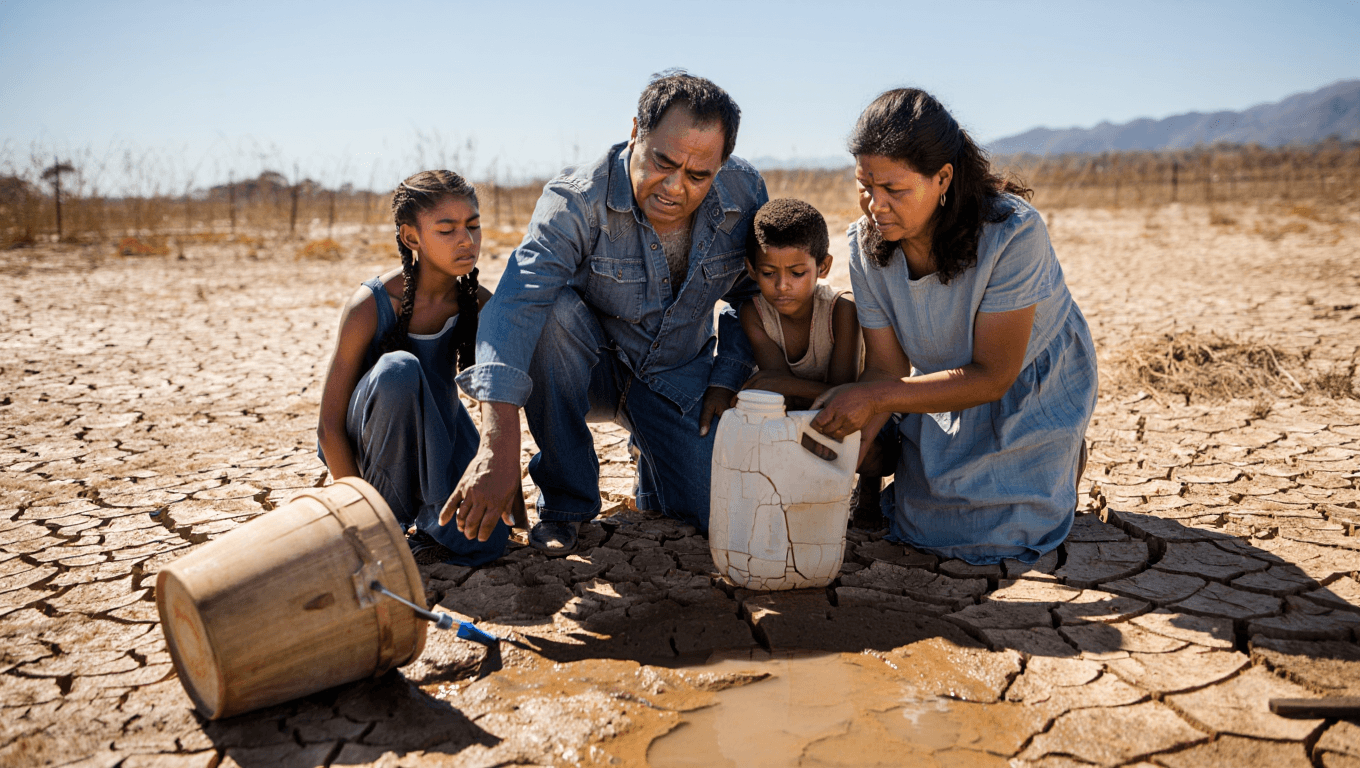
Water is a daily necessity — and this year’s hotter, drier months have made conservation more urgent than ever. Beyond abstract environmental talk, saving water now can reduce household costs, protect local supplies and ease pressure on farms and ecosystems heading into the next dry season.
Municipalities are already adjusting: some utilities have introduced temporary restrictions, others are updating long-term supply plans. For residents, the stakes are practical and immediate — smaller bills, fewer service interruptions and a reduced chance of tougher restrictions later.
Practical steps that add up
Not every household needs an expensive overhaul to make a difference. Simple, everyday choices can cut consumption noticeably without changing routines beyond a few minutes or dollars of investment.
- Shorten showers by one or two minutes; modern showerheads can deliver the same pressure with less flow.
- Fix leaking faucets and running toilets — leaks are a common, hidden source of waste.
- Use full loads in dishwashers and washing machines and select water-efficient settings.
- Shift lawn and garden watering to early morning or late evening to reduce evaporation.
- Collect and reuse greywater where permitted (for example, for outdoor watering).
These steps also have an equity dimension: when everyone reduces waste, utilities can avoid emergency measures that disproportionately affect renters and low-income neighborhoods.
Estimated savings from simple changes
| Action | Approximate daily water saved | Notes |
|---|---|---|
| Cut shower time by 2 minutes | 20–30 liters | Varies with flow rate; low-flow heads save more |
| Fix a dripping faucet | 5–20 liters | Depends on drip rate; small leaks add up |
| Run full dishwasher only | 30–50 liters | Compared with multiple partial loads |
| Water garden early/evening vs midday | 10–40 liters | Less evaporation, more efficient uptake |
The numbers above are approximate, but they illustrate a key point: modest adjustments multiplied across thousands of homes produce measurable relief for local water systems.
At scale, conservation also intersects with other pressing issues. Less water demand reduces energy use in treatment and pumping, lowers greenhouse-gas emissions from utilities and helps maintain flows that keep rivers and wetlands healthy. These are not abstract co-benefits — they affect local recreation, fisheries and the long-term resilience of water supplies.
Where policy and personal action meet
City planners and utilities are considering smarter pricing, incentives for efficient appliances and targeted rebates for low-income households. Those measures can accelerate change, but they require political will and funding.
Meanwhile, homeowners and renters can prioritize low-cost fixes while watching for local programs that subsidize larger upgrades, such as replacing old toilets or installing smart irrigation controllers. Combining small household actions with available incentives offers the quickest path to savings.
What to watch next: announcements from your local water agency about conservation targets, rebate programs or temporary restrictions are the most direct signals that action is needed. Staying informed helps households avoid fines and align efforts with community-wide goals.
Saving water is part practicality and part public stewardship. The immediate benefit — lower bills and fewer supply stress events — is tangible for readers today. Over time, these modest changes help maintain reliable service, protect local ecosystems and reduce the need for more severe interventions down the road.

Hi, I’m Benjamin, a member of the Sherburne County Citizen team. With a passion for writing and a deep interest in current affairs, I thoroughly enjoy bringing you the latest news and trends that affect our daily lives.
