
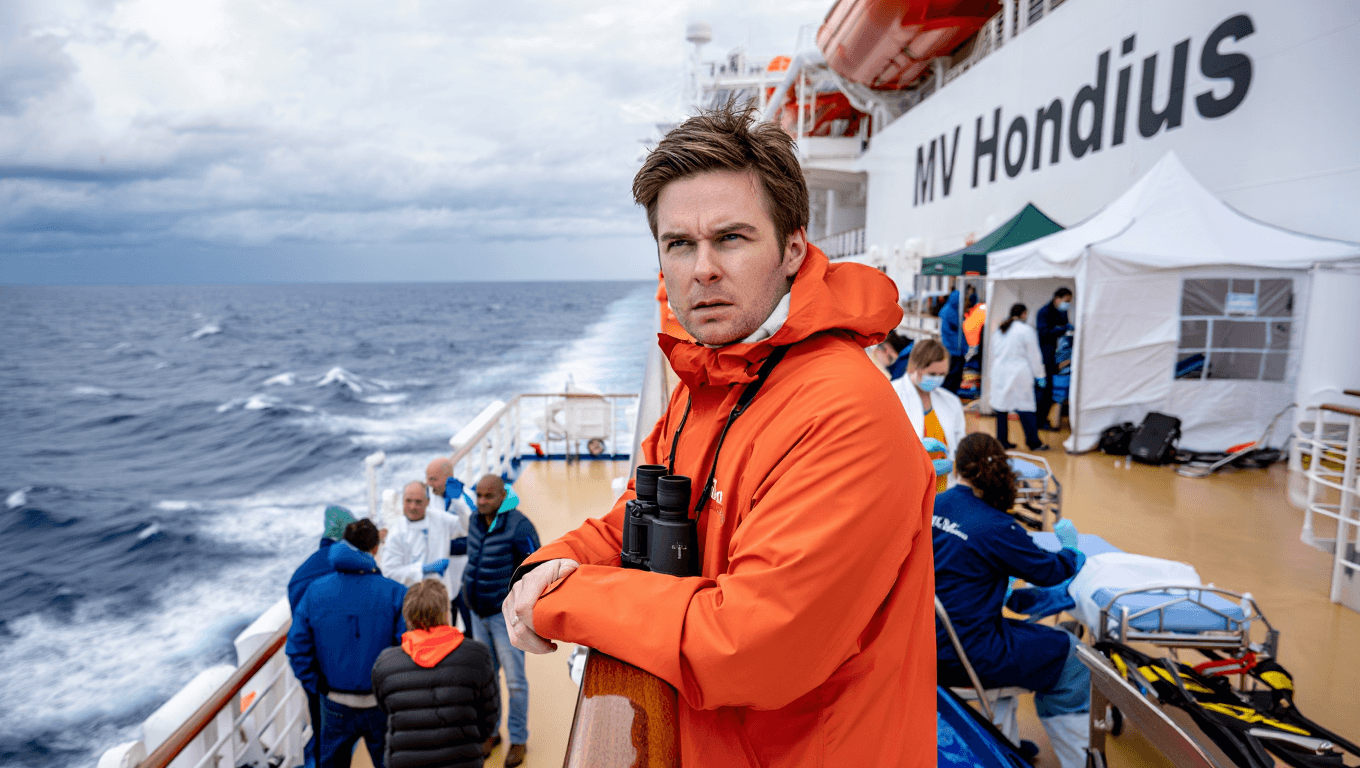
Health investigators now trace the hantavirus outbreak aboard the expedition ship MV Hondius to a Dutch birdwatcher who visited a landfill near Ushuaia before boarding. The development sharpens concerns about how brief wildlife encounters during travel can seed serious infections and disrupt international voyages.
Argentinian health officials say the likely index patient was 70-year-old ornithologist Leo Schilperoord, who visited a large rubbish tip outside Ushuaia in late March while on a months‑long trip through South America with his wife, Mirjam. Authorities believe the pair were exposed to the Andes strain of hantavirus at that site, probably through contact with rodent-contaminated material.
What happened on the MV Hondius
The couple boarded the MV Hondius on April 1 along with roughly 112 other passengers for a cruise that would later be interrupted by illness. Within a week, Leo developed fever, headaches and gastrointestinal symptoms and died aboard the ship days later. His body remained onboard until the vessel reached port in St Helena later in April.
Mirjam disembarked with her husband’s remains and travelled to South Africa, where she became unwell while preparing to fly home and died after being denied travel clearance. A German passenger who had been on the same cruise has also died. The World Health Organization (WHO) reported this weekend that six cases have now been linked to the MV Hondius incident, including three confirmed infections in British nationals.
Timeline (key dates and events)
- Late March — The Dutch couple visits a landfill site several miles from Ushuaia, a spot visited by birdwatchers targeting rare Patagonian species.
- April 1 — They board the MV Hondius for a cruise that includes other international passengers.
- Early April — Symptoms appear in the index patient; he dies aboard the ship several days later.
- April 24–26 — The ship docks in St Helena; the wife travels to South Africa and subsequently dies while awaiting repatriation.
- Recent WHO update — Six confirmed cases are now associated with the outbreak, with multiple countries monitoring contacts.
Hantaviruses are typically spread when people inhale dust contaminated by rodent urine, droppings or saliva. The Andes strain is notable because it can be especially severe and, in rare circumstances, has been reported to transmit between people, which is why health authorities are treating this cluster carefully.
Why this matters now
Global travel can rapidly carry locally acquired infections across borders. Cruise ships, with dense passenger populations and itinerant crews, complicate contact tracing and can accelerate international public‑health responses.
Public health teams from affected countries are now coordinating surveillance and testing of passengers and crew who shared the voyage. The WHO update signals a cross‑border concern: health providers should be alert to recent travel history to southern South America when evaluating patients with compatible symptoms.
Local memorial notices in the couple’s hometown in the Netherlands have underscored the human cost of the outbreak, while investigators continue to piece together the precise chain of transmission.
Key takeaways for travellers and clinicians
- Short wildlife excursions—such as visits to landfills or other sites frequented by birds and rodents—can carry zoonotic risks.
- Clinicians should ask about recent travel to southern Argentina or Chile when patients present with fever and respiratory or gastrointestinal symptoms.
- Public health authorities emphasize rapid reporting and contact tracing when cruise passengers fall ill during or after voyages.
Authorities continue to update the investigation; the WHO and national health agencies are monitoring contacts linked to the Hondius cruise and advising appropriate public‑health measures. For now, officials stress vigilance rather than alarm, and ongoing surveillance will determine whether further travel or clinical guidance is needed.

Hi, I’m Benjamin, a member of the Sherburne County Citizen team. With a passion for writing and a deep interest in current affairs, I thoroughly enjoy bringing you the latest news and trends that affect our daily lives.
