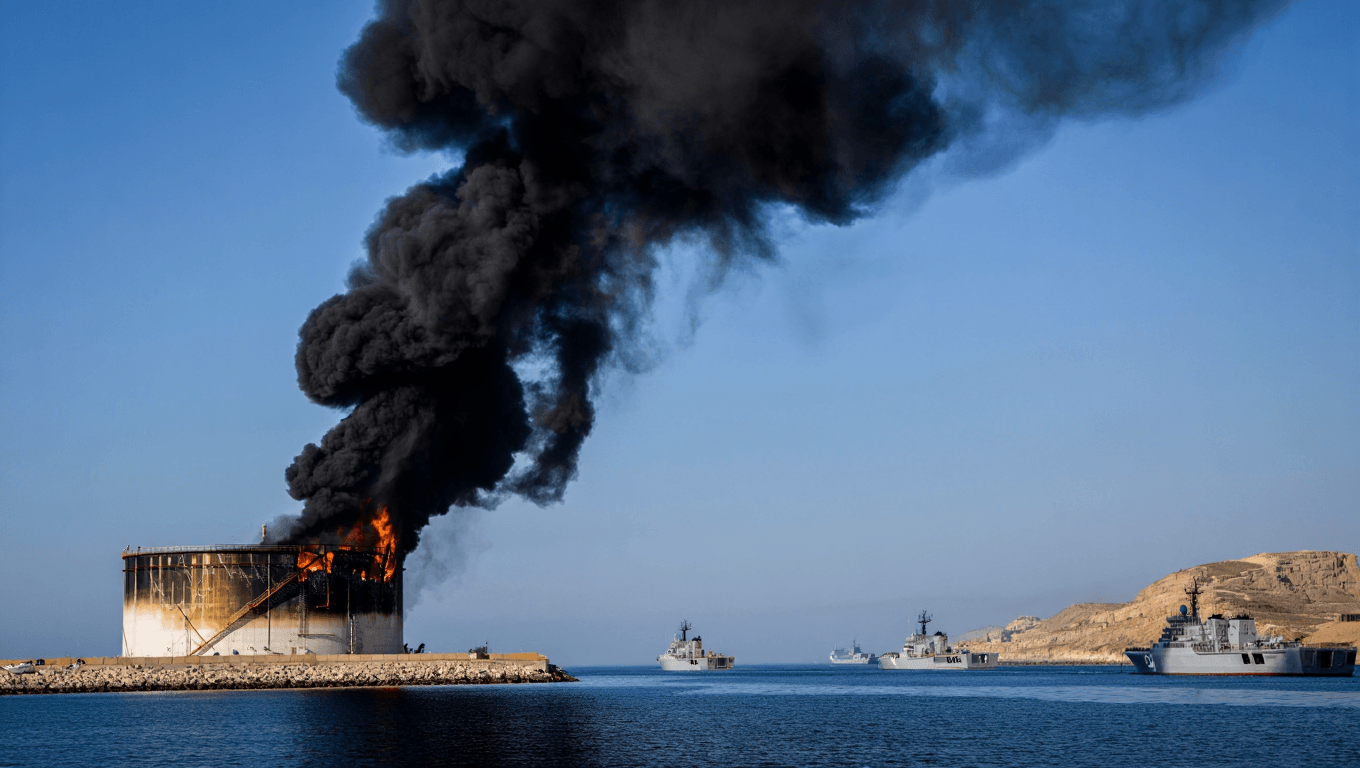
Rhetoric and violence escalated again in the Middle East after former president Donald Trump issued a vow to “kill the whole civilisation” in recent remarks, while Iran’s strategic oil hub, Kharg Island, reportedly came under attack. The twin developments have heightened fears of a wider confrontation and raised immediate questions about energy supplies, regional security and diplomatic responses.
Both items arrived amid already-tense relations in the region, and they underscore how quickly inflammatory statements and targeted strikes can combine to increase the risk of miscalculation. Analysts and officials are watching for swift political or military fallout that could affect global markets and civilian safety in neighbouring countries.
What happened
Reports indicate that Kharg Island — a major terminal for Iran’s crude exports — was struck, causing damage to port facilities. Details about the attackers, the extent of the damage and any casualties were not immediately clear.
Separately, Mr. Trump’s remarks have been amplified by media outlets and political opponents, prompting concern from diplomats who fear incendiary language could harden positions and reduce room for de‑escalation.
Why this matters now
Two familiar but dangerous dynamics are at play: direct action on the ground that can disrupt commerce and infrastructure, and sharp public rhetoric that can make compromise harder. Together, they raise short-term and medium-term risks:
- Energy markets: Any disruption to exports from Kharg Island could tighten global oil supply and put upward pressure on prices.
- Maritime security: Shipping routes in the Strait of Hormuz and the broader Persian Gulf may face increased threats, affecting insurers and logistics chains.
- Regional escalation: Strikes against key facilities and provocative public statements increase the chances of retaliatory strikes or miscalculated responses.
- Civilian impact: Damage to export terminals and nearby infrastructure can exacerbate local economic hardship and raise humanitarian concerns if hostilities spread.
Diplomatic and economic consequences to watch
Governments and markets typically react to such developments quickly. Expect to see:
- Statements from regional actors calling for restraint, and counter-accusations that could harden alliances.
- Short-term volatility in oil and fuel markets as traders price in supply risk.
- Potential updates to travel advisories and maritime notices from countries with commercial or military interests in the region.
International mediators and major powers with stakes in the Gulf may move to de‑escalate behind the scenes, but the effectiveness of those efforts will depend on how quickly both rhetoric and actions are tempered.
What to look for next
Key developments to monitor in the coming hours and days include:
- Confirmation of the scope and origin of the strike on Kharg Island, including casualty reports and satellite imagery assessments.
- Official responses from Tehran, Washington, and regional capitals outlining next steps or demands.
- Market signals — especially crude prices and insurance premiums for Gulf shipping routes.
- Statements from international organizations and diplomatic tracks aimed at preventing escalation.
At this stage, the situation remains fluid. Clear, verifiable information will be crucial to distinguish immediate facts from explosive but unconfirmed claims — and to assess how these incidents might reshape regional stability and global energy flows.

Hi, I’m Benjamin, a member of the Sherburne County Citizen team. With a passion for writing and a deep interest in current affairs, I thoroughly enjoy bringing you the latest news and trends that affect our daily lives.
