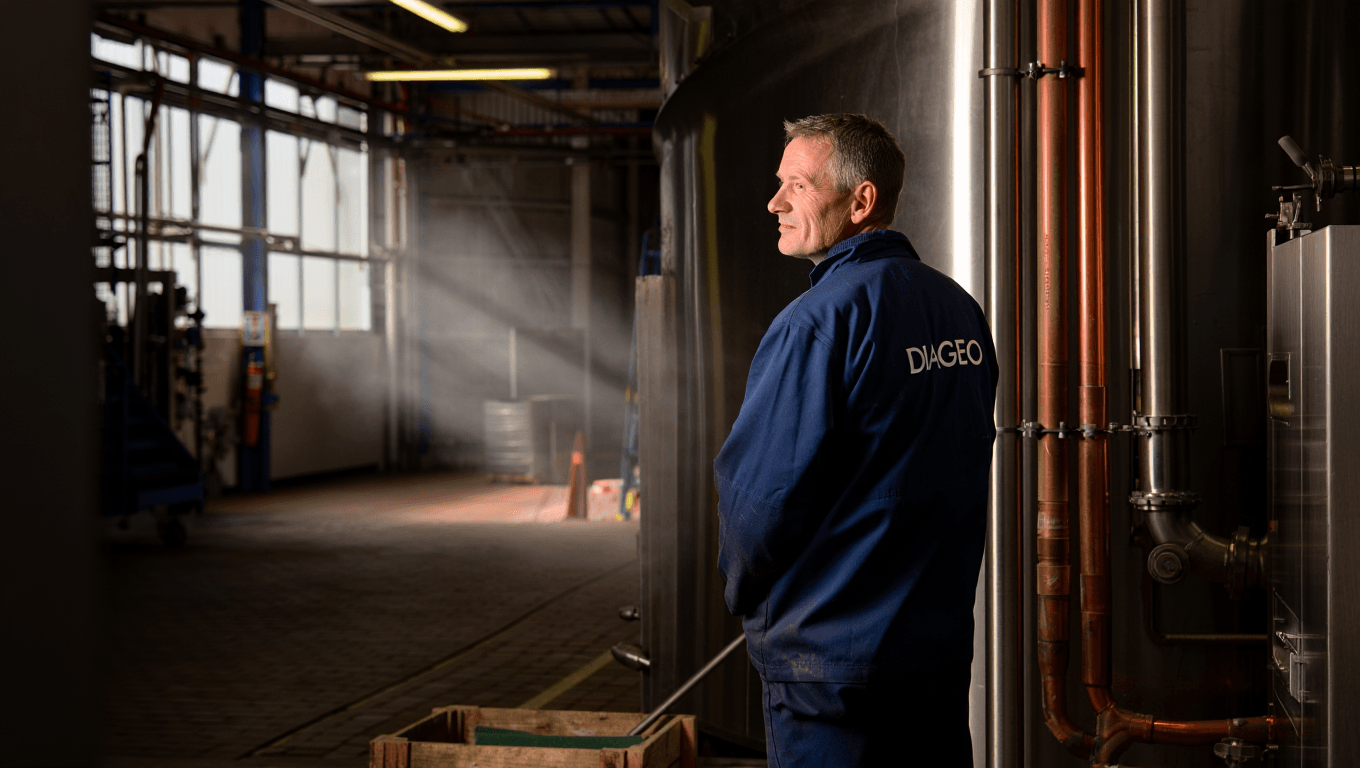
Diageo’s global cost-cutting plans have put scores of distillery staff across Scotland’s north at risk, a move that union leaders warn could ripple through already fragile rural economies. With formal consultations under way and a shareholder update due on August 6, communities from Islay to Speyside face immediate uncertainty.
What’s been announced
The drinks group behind brands such as Johnnie Walker has notified employees that around 172 workers in the Highlands and islands are at risk of redundancy, and that roughly 38 roles may be cut as part of a wider, company-wide restructuring. Management has confirmed consultations are ongoing at several production and bottling sites north of the Border.
Named sites include Cardhu, Cragganmore, Port Ellen on Islay and Dufftown. Company spokespeople say no final decisions have been made in the UK and that colleagues will be told of any changes before investors.
Union reaction and the consultation dispute
GMB Scotland has formally rejected the company’s consultation process in the distilleries, arguing the meetings did not amount to meaningful engagement. The union says repeated proposals — from voluntary redundancy packages to job-sharing — were dismissed and that talks felt perfunctory rather than constructive.
Lesley‑Anne Macaskill, the union organiser for the region, said her members were expecting a more collaborative approach to protect jobs and local livelihoods. The union plans to brief politicians about the potential consequences for communities dependent on distillery employment.
Community and economic implications
Distilleries often anchor small local economies, providing direct jobs, supporting suppliers and attracting visitors. Any reduction in staffing risks more than short-term unemployment: it can drain skilled labour, reduce tourism spend and put pressure on ancillary businesses such as transport, hospitality and barrels cooperages.
Those effects concentrate quickly in island and rural areas where alternative employment is limited and travel or housing barriers make workforce mobility difficult.
- Short-term: immediate loss of income for affected households and reduced local spending.
- Medium-term: fewer tourism draws, pressure on small suppliers and potential closures of related services.
- Long-term: talent migration away from remote communities and weakening of cultural industries tied to whisky production.
Numbers at a glance
| Item | Figure / example sites |
|---|---|
| Employees placed at risk | 172 |
| Roles flagged as potential redundancies | 38 |
| Named Scottish sites | Cardhu; Cragganmore; Port Ellen (Islay); Dufftown |
| Company update to shareholders | August 6 (company statement) |
Diageo’s position
A company representative pointed to a broader plan to redesign its operating framework, saying the aim is to improve competitiveness and long-term returns. The spokesman reiterated that UK consultations remain active and that no final decisions have been taken locally.
The firm also emphasised it will prioritise informing staff of any organisational changes ahead of public announcements to investors.
What to watch next
Key dates and signals to follow: the conclusion of local consultations, any formal redundancy notices, and the update Diageo plans for shareholders in early August. Political interest is likely to grow if the union proceeds with formal complaints to elected officials.
For affected communities, the coming weeks will determine whether the process delivers concessions that limit job losses or whether redundancies proceed on a scale that could reshape local economies.

Hi, I’m Benjamin, a member of the Sherburne County Citizen team. With a passion for writing and a deep interest in current affairs, I thoroughly enjoy bringing you the latest news and trends that affect our daily lives.
